TL;DRInPrivy doesn't reinvent secure sharing; it makes it look like you and takes the friction out. The encryption you can get for free elsewhere, and it's right to say so, but the branded, polished experience is worth paying for when you're doing this professionally and often. It's earned a permanent spot in how I work.
Sending a client their password by email, or worse, dropping it into a chat, is one of those habits everyone knows is bad and does anyway. It sits there in an inbox forever, gets forwarded, ends up in a search result two years later. For something whose entire job is to be secret, that’s about as leaky as it gets.
I sorted that out a long time ago. For a free, no-frills fix I’ll point people at PrivateBin. For client work, where it needs to look like us, I use InPrivy.
What it actually does
InPrivy lets you share a password, an API key, a set of logins, anything sensitive, as an encrypted, self-destructing link. You paste the secret in, set how long it lives or whether it dies after a single view, optionally add a password, and send the link instead of the secret itself. Once it’s been read, or once the timer’s up, it’s gone. Nothing lingers.
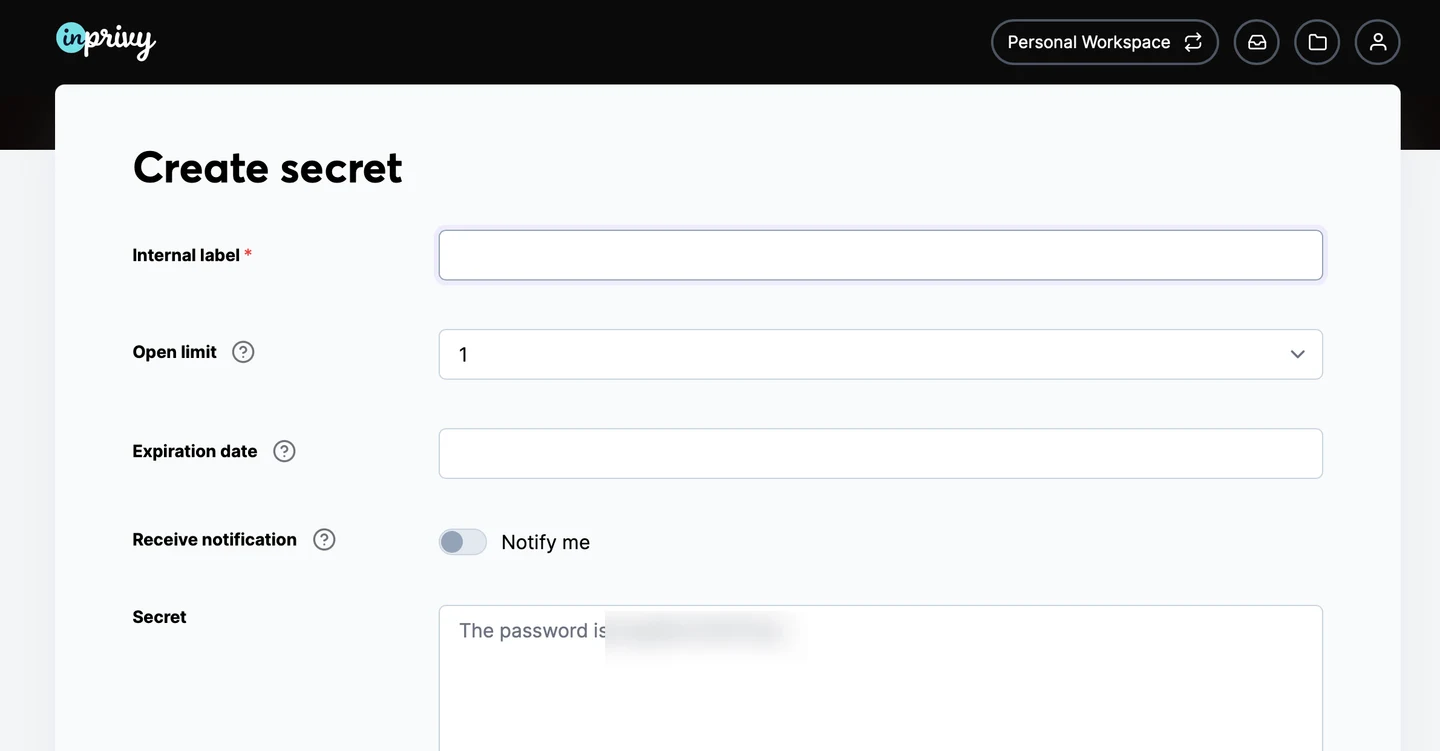
Creating a secret: set an open limit and an expiry, add a password if you like, then share the link rather than the secret itself.
Why I rate it
It looks like you, not some random tool
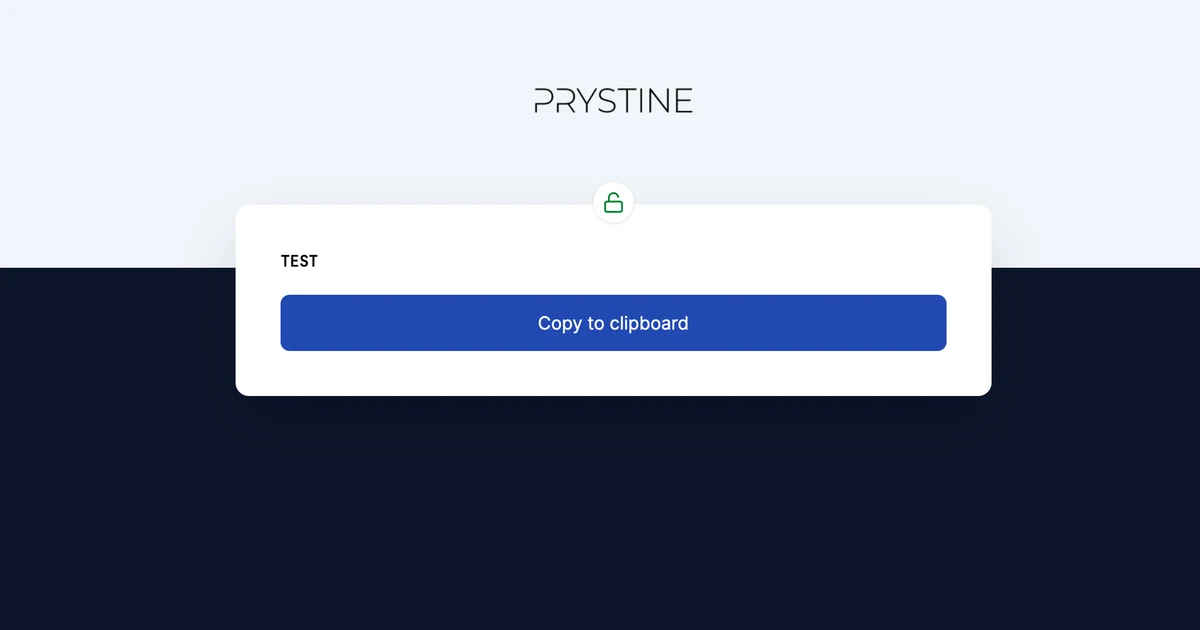
This is the bit that earns its keep, and the reason I pay for it. InPrivy is white-label: the link, the page your client lands on, the branding around it, all yours. When you’re sending someone the keys to their own website, landing on a tidy, branded page that clearly came from your studio is reassuring. Landing on a generic pastebin you’ve never heard of is the opposite, and half the time people assume it’s a phishing attempt and don’t click.
Properly secure, by default
Encryption, expiry, one-time view, optional password. The secret isn’t stored in plain text and it doesn’t hang around. It does the actual security job exactly as you’d want, so the branding isn’t lipstick on something flimsy.
Quick, and out of the way
Paste, pick an expiry, send. That’s it. The kind of tool you forget you’re even using until the day you’d have been glad it was there.
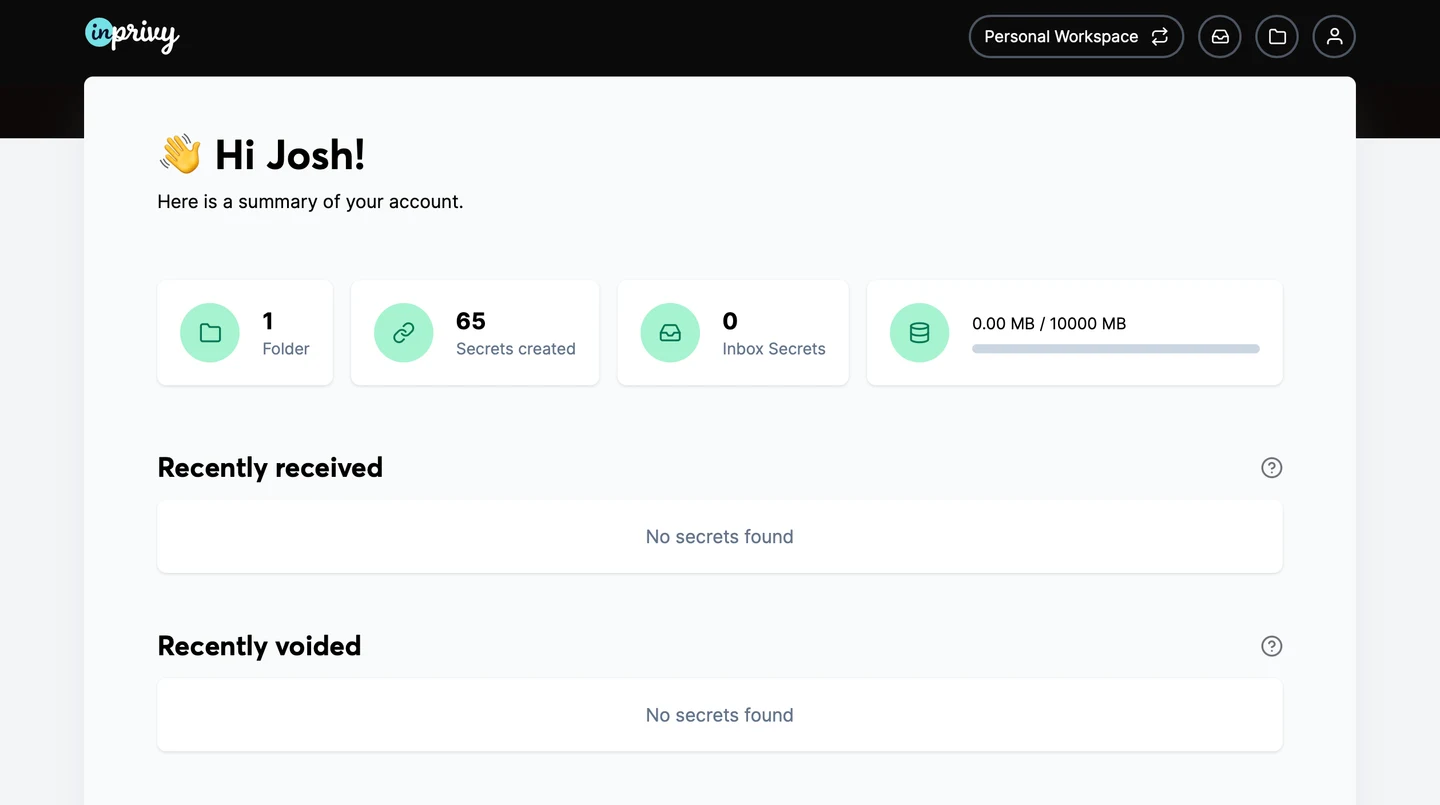
The dashboard keeps a tidy tally of what you’ve shared. Once a secret’s read or its timer’s up, it’s gone.
The honest catch
Let me be straight, because it matters: the core job here, encrypted secret sharing, you can do for free. PrivateBin is open source and genuinely excellent. So with InPrivy you are paying for the branding, the white-label experience and the convenience, not the encryption itself.
For me, handing credentials to clients under my own branding, all day, that’s an easy yes. For a one-off personal share with a mate, it would be overkill, and PrivateBin is plenty. Be honest about which one you are before you pay.
Who it’s for
Studios, agencies and freelancers who regularly hand over logins and want the whole thing to look professional and stay effortless. It’s a small, quiet part of looking after the sites I build and maintain: the boring, behind-the-scenes stuff that keeps clients’ data where it should be.
The verdict
InPrivy doesn’t reinvent secure sharing; it makes it look like you and takes the friction out. The encryption you can get for free elsewhere, and it’s right to say so, but the branded, polished experience is worth paying for when you’re doing this professionally and often. It’s earned a permanent spot in how I work.
You can take a look at InPrivy here.
Frequently asked questions
Is InPrivy secure?
Is InPrivy free?
InPrivy or PrivateBin?

Josh Cox
I'm Josh. I build, host and look after WordPress (and modern Astro / Next.js) sites from Didcot. These are honest reviews of tools I actually use day to day, all part of the stack I build on. Some links are affiliate links; they never change my verdict.