As web developers, we’re often focused on creating innovative, user-friendly, and visually stunning websites. But in today’s world, with growing environmental awareness, we must also consider the environmental impact of our work. Did you know that the internet accounts for around 3.7% of global greenhouse gas emissions? That’s comparable to the aviation industry! As developers, we have the power to reduce this footprint by adopting sustainable web development practices.
At the heart of our work is the belief that technology can drive positive change. As a business whose datacentre is powered entirely by renewable energy, we’ve seen first-hand how conscious choices in web hosting, coding, and design can make a significant difference. Let us share some strategies to embrace sustainability in web development.
Sustainable Coding Practices
- Optimise Code Efficiency: Efficient code reduces server processing time, minimising energy use. Writing clean, lightweight code avoids unnecessary complexity and bloat.
- Minimise External Dependencies: Relying on fewer libraries or frameworks not only speeds up websites but also reduces their energy demands.
- Enable Caching: Caching allows repeat visitors to load pages faster without using server resources, saving energy.
Green Hosting Solutions
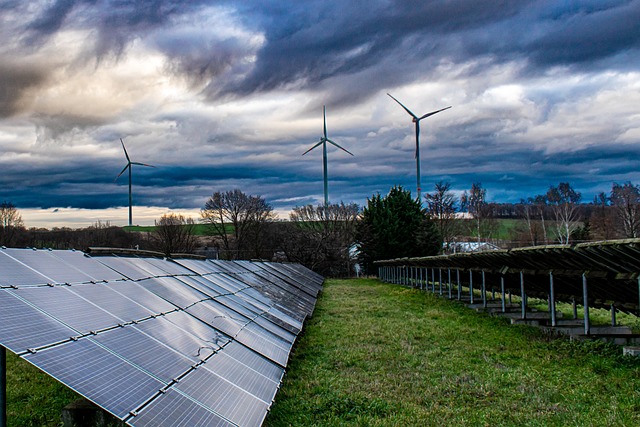
- Choose Renewable Energy-Powered Datacentres: Hosting websites with providers that use renewable energy drastically cuts their carbon footprint. This is a cornerstone of sustainable development and a choice every developer should prioritise.
- Utilise CDN Services: Content Delivery Networks (CDNs) reduce energy use by delivering content from servers closer to the user, reducing travel distance for data.
- Doesn’t Cost the Earth: We us 20i, powered exclusively by renewable energy.
Efficient Website Design
- Optimise Images and Media: High-resolution images and videos are data-heavy. Compressing these files reduces bandwidth and energy use without compromising quality.
- Focus on Performance: Faster-loading sites use less energy. Tools like Google Lighthouse can help assess and improve site speed.
- Design for Accessibility and Longevity: By ensuring sites are accessible and adaptable to future needs, we reduce the need for frequent redevelopment.
Why It Matters
The environmental benefits of sustainable web development go beyond reducing emissions. Efficient websites load faster, providing a better user experience and improving search rankings. Plus, businesses increasingly value sustainability, meaning greener practices can set you apart in a competitive market.
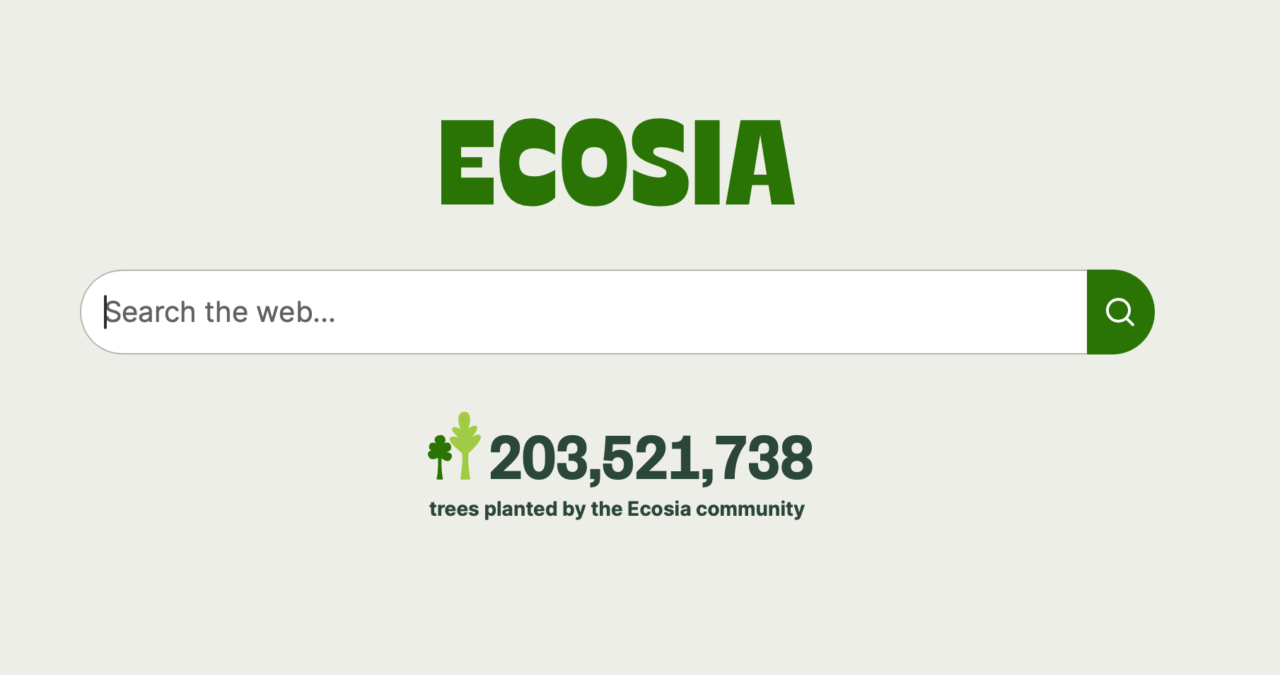
We use Ecosia, the search engine that plants trees
Conclusion
As developers, our choices shape the digital world. By integrating sustainable coding practices, opting for green hosting solutions, and focusing on efficient design, we can make a tangible difference. It’s not just about building websites; it’s about creating a digital ecosystem that’s better for the planet and future generations.
Sustainability isn’t a buzzword – it’s a responsibility. Together, let’s lead the charge towards a greener internet.

Josh Cox
I'm Josh — I build, host and look after WordPress sites (and increasingly fast Astro / Next.js builds) for Oxfordshire businesses, from Didcot, since 2016. I also tinker with a few products of my own on the side.